

Release date: 2018-08-23 09:22:24 | View: 147
Summary:
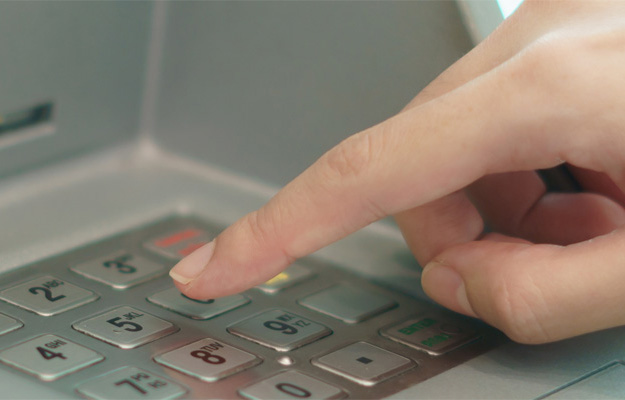
What is In-Clinic Payment?In a narrow sense, in-clinic payment means that payment is completed immediately after a doctor consults with a patient, so the patient does not need to queue at a cashier window. This can be simply summarized as the doctor …
What is In-Clinic Payment?
In a narrow sense, in-clinic payment means that payment is completed immediately after a doctor consults with a patient, so the patient does not need to queue at a cashier window. This can be simply summarized as the doctor workstation model.
In a broad sense, in-clinic payment means that patients can complete payment quickly near the doctor workstation after consultation, without going to the cashier windows. There are multiple detailed implementation models, which vary according to different hospital layouts and department configurations.
Examples:
A large hospital with high patient volume and widely distributed departments is suitable for wide deployment of in-clinic payment terminals near each department for convenient settlement.
A medium-sized hospital with concentrated departments may set up a centralized payment area on each floor with several in-clinic payment terminals, allowing patients to settle bills shortly after consultation (without long walking distances).
The deployment method must comprehensively consider factors such as area size, patient flow paths, foot traffic, and transaction volume.
A balance must be struck between providing comprehensive services for patients and avoiding the waste of valuable medical resources.
In hospitals with limited medical resources, the narrow‑sense in-clinic payment model occupies too much of doctors’ time and reduces actual consultation duration for patients.
Scientific and reasonable service models are required to effectively balance quality service and maximize actual consultation time for patients.
Based on the core philosophy of “Freeing Doctors, Conveniencing Patients”, Jiangsu GEIT has designed a new generation of in-clinic payment terminals.
The product is designed with multiple advantages for user selection:
Easy Deployment
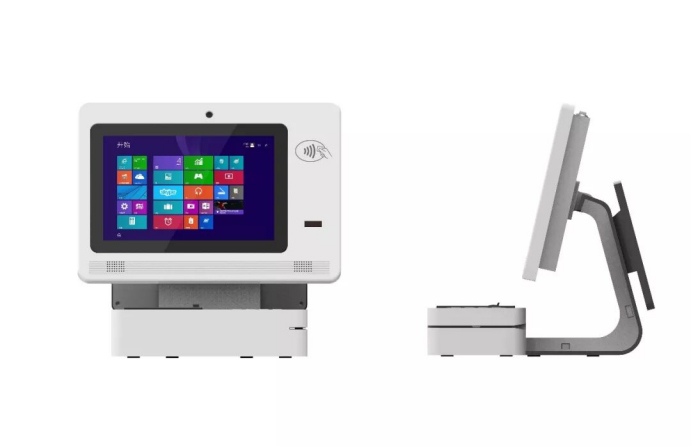
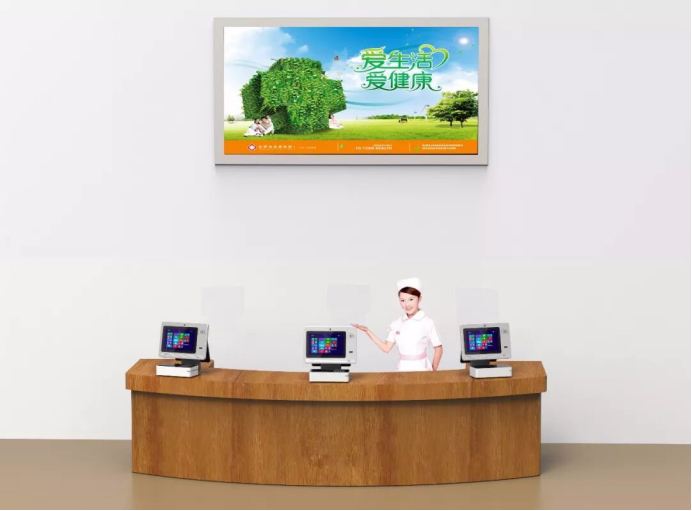
The device features a compact, lightweight design. It can be deployed on a nurse station desktop or wall-mounted in corridors, with minimal space occupation.
High Cost‑Performance
While providing payment functions consistent with large self‑service terminals, the device greatly reduces hardware and service costs, supporting large‑scale deployment and improved service coverage.
High Flexibility
Adopting a modular design, the device can be flexibly configured to meet the needs of different hospitals, with appropriate product forms for both simple and complex functions.
Strong Compatibility
Full consideration is given in the design to module components, operating system platforms, and future expansion.
Desktop Deployment Mode
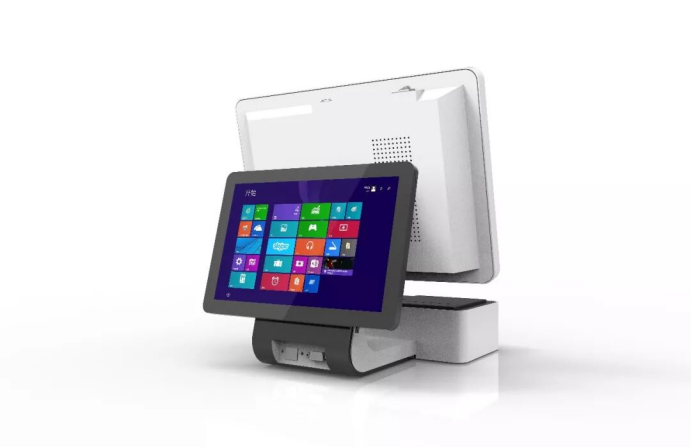
Rear View of Dual-Screen Mode
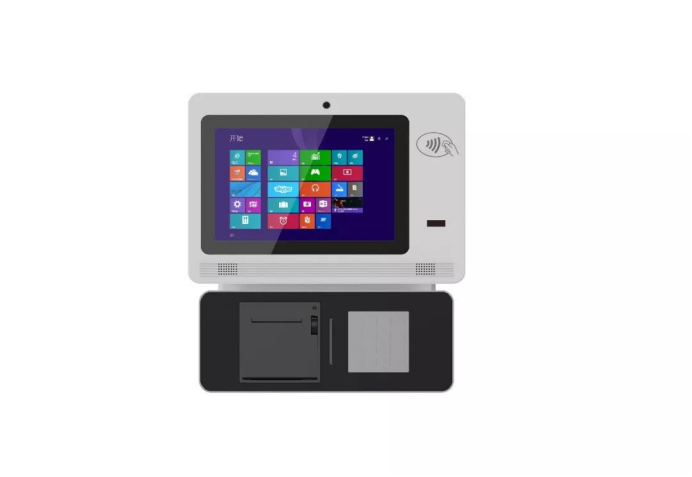
Nurse Station Deployment Effect
Related News
WUXI, CHINA – June 3, 2026– GEIT, a leading high-tech manufacturing enterprise with decades of industry experience, has…
1. Official Visit | A One-week Exchange & Cooperation TourRecently, a valued partner from West Africa paid an officia…
On August 25, 2025, Professor Arieh Warshel, winner of the 2013 Nobel Prize in Chemistry and founder of computational che…
Tel: +86-0519-86970000
WhatsApp: +86 18961159608
E-mail: geitglobal@guoguang.com.cn
Add: No. 52 Songtao Road, Zhonglou Electronic Development Zone, Changzhou City, Jiangsu Province, China.



Take a screenshot and recognize the QR code
Guoguang Information